Modular Building Blog & Insights – Module-T

Modular Building Blog & Insights

Expert articles, technical guides, and prefabricated construction news

Prefabricated Construction Guides – Module-T

Prefabricated Construction & Container Guides

In-depth insights on flat pack containers and site office solutions

Global Supply & Assembly Updates – Module-T

Global Supply Chain & On-Site Assembly Updates

Discover latest project case studies and modular building innovations

Blog

2026 Best Prefabricated Security Cabin Kiosk for Sale

2026 Best Prefabricated Security Cabin Kiosk for Sale

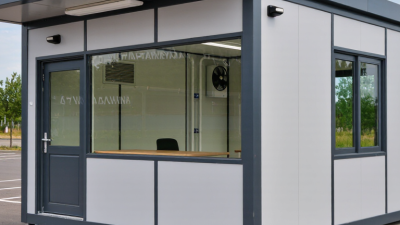
A Prefabricated Security Cabin Kiosk can give gate staff a clear view, shelter from harsh weather, and a defined place to manage visitor access. For buyers comparing 2026 models, the right choice depends on more than price. Check the cabin’s dimensions, door swing, window placement, insulation, ventilation, lighting, and wiring provisions against the actual site. A window that looks generous in a brochure may still leave a blind spot beside a vehicle lane. “Good security cabins make routine work easier without hiding practical compromises,” says Evan Cole, a fictional composite industry specialist created for this introduction; this is an illustrative comment, not a verified quotation. That distinction matters. Product claims should be checked against drawings, material specifications, warranty terms, and installation details from the manufacturer. Ask how the unit will be delivered, where it can be positioned, and what preparation the site requires. Small details matter. A poorly placed desk, noisy fan, or awkward step can affect daily use more than an extra finish option. No single cabin suits every entrance. This guide compares common layouts, materials, equipment options, and buying considerations to help readers shortlist models with evidence rather than brochure language. Before ordering, confirm measurements on site and discuss any uncertain requirements with the supplier. That extra check is easy to overlook.
Read more »
Clara By:Clara - October 29, 2026
How to Choose a Modular Dormitory Container Unit

How to Choose a Modular Dormitory Container Unit

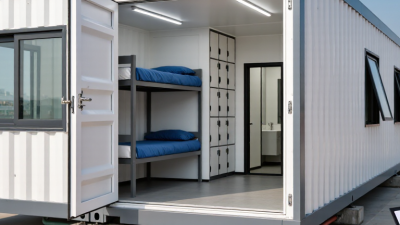
Choosing a Modular Dormitory Container Unit involves more than comparing prices or counting beds. A practical decision begins with occupancy needs, climate, transport access, and daily maintenance. The right unit should provide safe sleeping space, reliable ventilation, adequate insulation, and comfortable movement between beds, lockers, and washrooms. Small details matter. A narrow doorway can delay installation. Poor drainage can create persistent problems after heavy rain. Architectural researcher Robert Kronenburg, a leading authority on adaptable buildings, wrote, “Flexible architecture is intended to respond to changing circumstances in its use.” This principle is highly relevant to dormitory accommodation. A Modular Dormitory Container Unit may serve construction workers, students, emergency teams, or seasonal staff. Its layout should adapt without expensive rebuilding. Look for replaceable wall panels, accessible electrical systems, durable flooring, and connection points for future units. Experience also shows that product brochures rarely reveal every weakness. Inspect door seals, corner joints, floor strength, and ventilation noise. Ask how the unit performs during hot days and cold nights. Request drawings, material specifications, installation records, and maintenance guidance from the supplier. Independent testing is valuable, especially for fire resistance, structural stability, and indoor air quality. Do not choose the largest model automatically. Bigger units may increase transport costs and reduce site flexibility. A cheaper option may also require frequent repairs. That is easy to overlook. This guide will examine capacity, construction quality, sanitation, energy use, customization, delivery, and long-term value. It will also question common assumptions, because a container unit that looks efficient on paper may feel uncomfortable in real use.
Read more »
Amelia By:Amelia - October 24, 2026
What Is a Prefabricated Worksite Canteen Container?

What Is a Prefabricated Worksite Canteen Container?

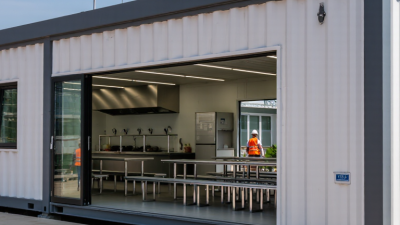
A Prefabricated Worksite Canteen Container is a factory-built dining and welfare unit for construction sites, infrastructure projects, mines, and remote facilities. It combines insulated panels, food-preparation areas, serving counters, seating, sinks, ventilation, lighting, and controlled utility connections inside a transportable structure. Unlike a temporary shelter, it is planned around daily meals, cleaning routines, worker movement, and site logistics. The McKinsey report “Modular Construction: From Projects to Products” estimates that modular building could create a US$130 billion annual market in Europe and the United States by 2030. It also identifies possible annual savings of approximately US$22 billion. These figures describe modular construction broadly, not canteen containers alone. That distinction matters. Industry language can make a small welfare unit sound more revolutionary than it is. Tom Hardiman, Executive Director of the Modular Building Institute, describes the approach clearly: “Modular construction is a process where a building is constructed off-site, under controlled plant conditions, using the same materials and designing to the same codes and standards as conventionally built facilities—but in about half the time.” His statement supports the central value of a Prefabricated Worksite Canteen Container: controlled production, faster installation, and repeatable quality. In practice, performance depends on details. A stainless-steel worktop must withstand constant washing. Floor drainage must handle spilled water. Door placement should prevent queues from blocking emergency routes. Ventilation must control heat, steam, and cooking odors. The concept is efficient, but not effortless. Poor planning can produce an expensive box with uncomfortable seating and inadequate hygiene capacity. A useful introduction should therefore examine design, transport, installation, maintenance, and worker experience together.
Read more »
Clara By:Clara - October 19, 2026
Why Choose a Flat Pack Locker Container?

Why Choose a Flat Pack Locker Container?

Why choose a Flat Pack Locker Container when conventional storage units remain familiar? The answer begins with practical pressure: limited space, rising transport costs, and faster project schedules. A flat pack design arrives in compact panels, then unfolds into a secure, usable locker room. It can reduce delivery volume, simplify site access, and support flexible expansion. McKinsey Global Institute’s report, Modular construction: From projects to products, notes that modular methods can shorten construction schedules by 20% to 50%. The report also identifies potential cost savings of 20% when production becomes more standardized. These figures do not guarantee every project will save money. Site conditions, foundations, insulation, labor, and local requirements still matter. That is an uncomfortable detail, but it matters. Mark Farmer, author of Modernise or Die, has warned, “The construction industry is failing to modernise.” His observation applies strongly to storage planning. A Flat Pack Locker Container can reflect that needed shift, especially for schools, workplaces, sports clubs, construction sites, and temporary facilities. Panels can be carried through narrow entrances. Lockers can be arranged beside changing benches, equipment racks, or a washroom corridor. The result feels more planned than improvised. Grand View Research reports continued growth in prefabricated construction, driven by speed, efficiency, and reduced site disruption. Yet buyers should examine ventilation, corrosion protection, fire performance, locking systems, and after-sales support. A cheaper unit may become expensive if doors misalign or moisture enters. Flat pack is useful, not magical. Good decisions require measured specifications, experienced installation, and honest comparison.
Read more »
Evelyn By:Evelyn - October 14, 2026
China Top 10 Modular Field Hospital Facility Manufacturers?

China Top 10 Modular Field Hospital Facility Manufacturers?

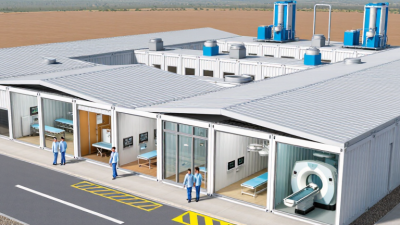
China’s modular healthcare sector is changing how emergency care reaches remote, crowded, and disaster-affected communities. A well-designed Modular Field Hospital Facility can arrive as packed modules, connect within days, and support triage, surgery, isolation, imaging, and recovery. The details matter. Floor finishes must withstand repeated disinfection. Airflow must protect patients and staff. Electrical systems need backup power, while narrow corridors can delay care. Robin Guenther, a respected healthcare architect and former Perkins&Will healthcare practice leader, once stated, “The best healthcare design is about creating environments that support healing.” Her observation remains relevant to modular facilities. Speed alone does not create a safe hospital. Clinical workflow, infection control, thermal comfort, water management, and staff welfare must guide every decision. This guide examines China’s top 10 Modular Field Hospital Facility manufacturers through practical criteria. These include manufacturing experience, engineering depth, certification support, customization, installation capacity, maintenance response, and documented project performance. It also considers whether suppliers can provide complete systems rather than attractive containers with limited clinical value. The comparison is not absolute. Supplier rankings can change with project scale, region, budget, and emergency requirements. Some manufacturers communicate impressive capacity but disclose little independent evidence. That gap deserves attention. Buyers should inspect factory quality records, test reports, reference projects, and commissioning procedures before signing contracts. A reliable facility should feel calm, clean, and clinically logical. Patients should not notice the modular structure. Staff should notice that it works.
Read more »
Clara By:Clara - October 9, 2026
How to Choose a Prefabricated School Building in 2026?

How to Choose a Prefabricated School Building in 2026?

Choosing a Prefabricated School Building in 2026 requires more than comparing factory prices. School demand is growing, while budgets, land, and construction time remain limited. UNICEF’s climate-resilient education guidance emphasizes safe, inclusive, and adaptable learning spaces. The World Bank also reports that climate risks can disrupt education infrastructure, especially in vulnerable communities. These findings make resilience a practical requirement, not a fashionable extra. Data from the Modular Building Institute’s 2024 Permanent Modular Construction Annual Report shows continued commercial adoption of off-site construction in North America. The report highlights shorter schedules, controlled production, and reduced site waste. Yet percentages never tell the whole story. A low bid can still create expensive problems. Think about a classroom beside a noisy highway, a poorly planned delivery route, or windows that overheat children in September. Ryan E. Smith, a recognized modular construction scholar and director of the University of Utah’s Integrated Technology in Architecture Center, states, “Modular construction is not a building type; it is a process.” That distinction matters. This guide examines the details behind a reliable choice. It considers structural standards, fire safety, ventilation, acoustic comfort, accessibility, energy performance, maintenance, and future expansion. It also asks uncomfortable questions. Can the supplier document testing? Will replacement parts remain available? Does the design suit local teaching methods? A perfect specification may still fail on a difficult site. The best Prefabricated School Building balances certified quality with daily experience: bright corridors, quiet classrooms, safe entrances, and maintenance staff who can actually repair what they inherit.
Read more »
Amelia By:Amelia - October 4, 2026
China Top 10 Modular Site Office Building Manufacturers

China Top 10 Modular Site Office Building Manufacturers

Choosing a supplier for a Modular Site Office Building can shape a project’s schedule, budget, and daily working conditions. China’s manufacturers offer different approaches, from compact single-room cabins to multi-storey modular offices with meeting rooms and washrooms. This guide to China Top 10 Modular Site Office Building Manufacturers introduces companies to consider and the practical details buyers should compare. A ranking is a starting point, not proof that one supplier suits every site. Look beyond photographs. Ask for drawings, material specifications, insulation details, and examples of completed projects in similar climates. A well-planned office should make room for desks, cables, storage, and safe movement—not just fit neatly into a brochure. Check how the supplier handles customization, factory inspections, packing, delivery, installation guidance, and after-sales support. Request clear information about lead times and what the quoted price includes. Small details matter. Comparisons can still be imperfect. Product names and specifications are not always presented in the same way, so verify claims directly with each manufacturer. If possible, speak with past customers and review the finished building, not only the rendering. This overview is intended to help structure that research, rather than replace technical assessment. A careful shortlist can save time, though one question may remain: will the building perform well after the first season on site?
Read more »
Evelyn By:Evelyn - September 29, 2026
7 Tips for Choosing a Flatpack Sanitary WC Container

7 Tips for Choosing a Flatpack Sanitary WC Container

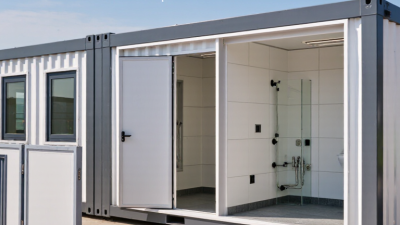
Flatpack Sanitary WC Container systems can turn an empty site corner into a usable washroom within a short installation window. Their modular panels, steel frames, plumbing points, and factory-finished surfaces reduce on-site construction work. Yet speed alone should not decide the purchase. Choosing the right Flatpack Sanitary WC Container requires more than comparing catalogue prices. Site managers should examine drainage routes, water pressure, ventilation, insulation, cleaning access, and expected daily users. A crowded construction site needs different provisions from a temporary event or remote workplace. Check the floor plan carefully. A few centimetres can affect door swing, wheelchair movement, or maintenance access. Ask suppliers for material specifications, connection diagrams, test records, and installation guidance. Reliable documentation reveals more than polished photographs. Real-world experience also matters. Inspect sample panels, seals, hinges, and floor finishes before approving a large order. Look for non-slip flooring, corrosion-resistant hardware, easy-to-clean wall surfaces, and protected pipework. Confirm that the supplier can provide replacement parts and technical support after delivery. Local building, plumbing, fire, and accessibility requirements must guide the final design. A qualified professional should verify the installation. Do not assume every “standard” unit fits every site. That assumption can become expensive. The seven tips ahead focus on practical selection, dependable performance, and long-term value, while recognising that no container works perfectly without proper planning, transport, and maintenance.
Read more »
Evelyn By:Evelyn - September 24, 2026
How to Choose Prefabricated Steel Structure Hangar in 2026?

How to Choose Prefabricated Steel Structure Hangar in 2026?

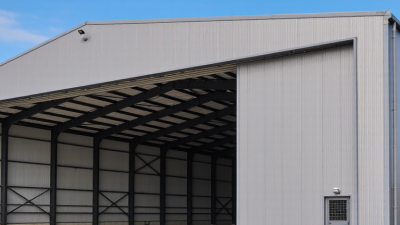
Choosing a Prefabricated Steel Structure Hangar in 2026 requires more than comparing quoted prices. Aircraft size, door clearance, wind exposure, snow loads, seismic conditions, and future expansion should shape the decision. A hangar may look impressive in a brochure, yet perform poorly on a coastal site. Experience begins with the ground, not the catalog. Reliable evaluation combines engineering evidence with practical observation. Request structural calculations, material certificates, weld quality records, corrosion protection details, and clear installation drawings. Check whether the supplier follows applicable building codes and recognized steel standards in the project location. Visit completed facilities when possible. Look at roof drainage, door movement, seals, lighting, and maintenance access. A smooth site visit can reveal more than polished sales language. The best choice balances strength, construction speed, insulation, fire safety, operating costs, and service support. In 2026, digital modeling and energy analysis can improve planning, but software does not replace qualified engineers or independent inspections. Small omissions matter: a narrow service door, weak ventilation, or underestimated snow drift can become expensive later. No checklist is perfect. That is the point. Careful buyers should question assumptions, compare lifecycle value, and document every commitment before signing. This guide explains how to make that judgment with practical, verifiable criteria.
Read more »
Evelyn By:Evelyn - September 19, 2026
10 Best Modular Mining Accommodation Building Suppliers?

10 Best Modular Mining Accommodation Building Suppliers?

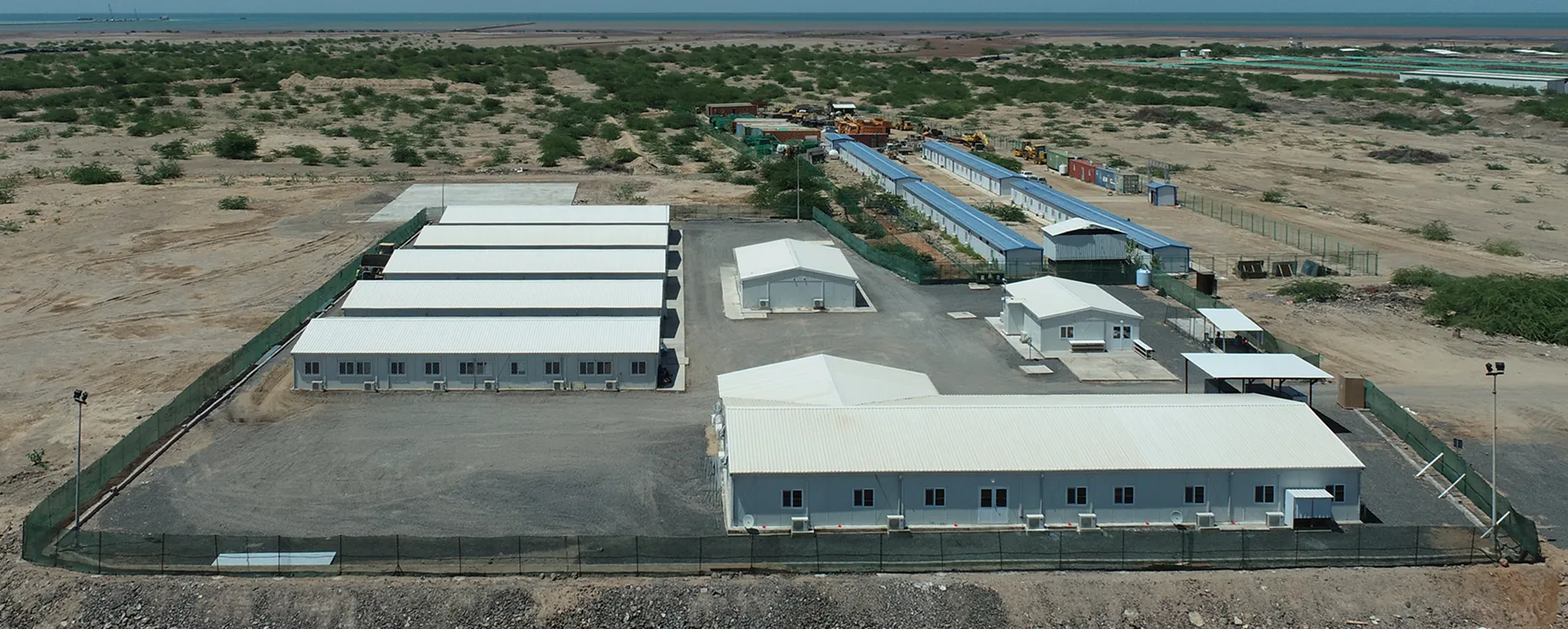
Mining projects are moving into more remote, complex, and climate-sensitive locations. According to the International Energy Agency’s Global Critical Minerals Outlook 2024, demand for minerals supporting clean-energy technologies continues to rise. This pressure is expanding the need for safe, quickly deployable workforce housing near mine sites. A Modular Mining Accommodation Building can provide bedrooms, kitchens, medical rooms, offices, and recreation areas in one coordinated system. McKinsey & Company reported that modular construction may reduce project schedules by 20% to 50%, when design and manufacturing are properly integrated. Time matters when workers face long transport routes, extreme temperatures, and limited local infrastructure. However, speed alone cannot define a reliable supplier. Site access, fire protection, insulation, ventilation, water systems, and maintenance support require close technical review. The International Organization for Standardization and regional building authorities provide useful benchmarks, but compliance requirements vary by project location. That detail is easy to underestimate. Deloitte’s Tracking the Trends 2024 also emphasizes cost control, operational resilience, and workforce wellbeing across the mining sector. These factors influence accommodation quality directly. A poorly planned camp may create noise, heat stress, hygiene problems, or expensive repair delays. This guide evaluates ten leading Modular Mining Accommodation Building suppliers through practical criteria. These include manufacturing experience, engineering capability, delivery records, customization, safety systems, sustainability, and after-sales service. Public information is not always complete. Some supplier claims deserve independent verification. The final choice should match the mine’s climate, workforce size, schedule, budget, and long-term operating plan. Worker comfort should never become an afterthought.
Read more »
Amelia By:Amelia - September 11, 2026
China Top 10 Flat Pack Office Container Manufacturers

China Top 10 Flat Pack Office Container Manufacturers

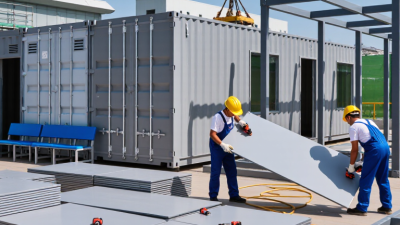
The global demand for efficient, relocatable workspaces has made the Flat Pack Office Container increasingly important. Manufacturers now compete through design accuracy, material quality, delivery speed, and long-term service. However, a glossy catalogue cannot prove real performance. Buyers should inspect factory processes, welding quality, insulation thickness, fire resistance, electrical safety, and previous project records. Mark Farmer, author of Modernise or Die, warned, “The industry must modernise or die.” His statement remains relevant to modular construction. Leading companies are using computer-aided design, automated cutting, stronger galvanized steel frames, and improved sandwich panels. These details affect installation time, energy use, comfort, and maintenance costs. A reliable Flat Pack Office Container should arrive with clear assembly drawings, protected components, and practical after-sales support. This guide examines China’s top 10 manufacturers through a balanced, evidence-based lens. It considers product range, customization capability, export experience, certifications, production capacity, and customer feedback. Some manufacturers may appear less impressive online but perform well on complex projects. Others may advertise advanced features without providing enough technical evidence. That difference matters. The ranking is not permanent. Markets change. Factories improve. Suppliers also make mistakes. Therefore, readers should verify current certifications, inspect samples, request detailed quotations, and confirm delivery responsibilities before purchasing. The best manufacturer is not always the cheapest. It is the one that combines dependable engineering, transparent communication, and consistent quality from the first drawing to the final installed office.
Read more »
Amelia By:Amelia - September 11, 2026
Top 10 Types of Prefabricated Worker Labour Camps

Top 10 Types of Prefabricated Worker Labour Camps

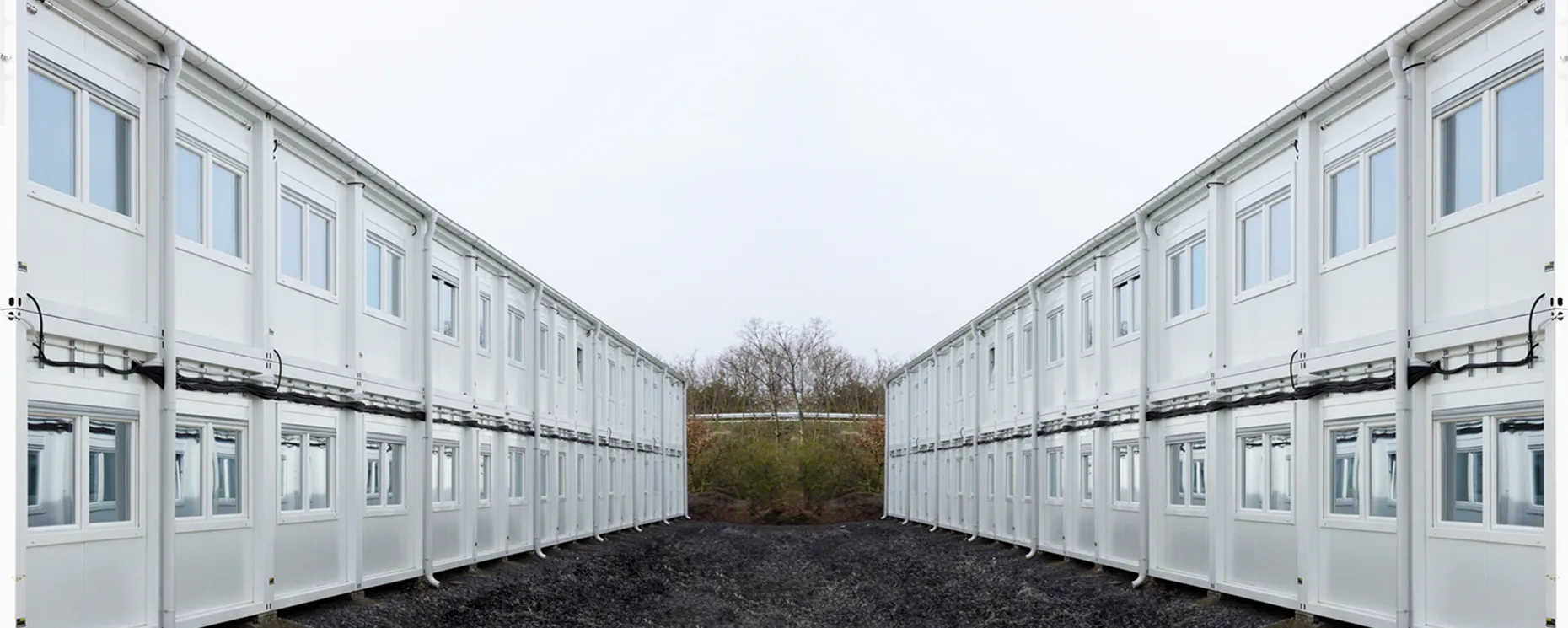
Choosing the right Prefabricated Worker Labour Camp requires more than comparing prices and floor plans. It demands practical knowledge of workforce needs, site conditions, climate, and daily routines. A reliable camp should support safe accommodation, clean sanitation, efficient cooking, and comfortable rest after demanding shifts. The ten types discussed in this guide reflect common project requirements. They include modular dormitories, container-based units, mobile camps, executive accommodation, dining facilities, office modules, and hybrid layouts. Each option offers different advantages. Some prioritize rapid installation. Others provide better privacy, stronger insulation, or easier relocation. A snowy site needs different materials from a hot, humid one. Small details matter, such as shaded walkways, washable wall panels, ventilation openings, and lighting near entrances. Real projects rarely follow a perfect template. Budget limits can reduce living space. Transport restrictions may affect module sizes. Maintenance teams may also discover weaknesses after the first season. That is worth acknowledging. A visually impressive camp can still perform poorly if drainage, noise control, or waste management receives little attention. Professional planning should therefore combine manufacturer data, site surveys, worker feedback, and recognized safety practices. Independent inspections can strengthen confidence before occupation. Records should cover fire protection, electrical systems, water quality, structural connections, and emergency access. This introduction sets the context for comparing the Top 10 Types of Prefabricated Worker Labour Camps. The goal is not to promote one universal solution. It is to identify practical choices that balance safety, durability, comfort, installation speed, and long-term value. Performance should be measured in real conditions. Not only on paper.
Read more »
Clara By:Clara - September 11, 2026