High-Performance Modular Solutions for Energy Infrastructure
Direct Factory Solutions for Rapid Deployment in UAE Desert and Offshore Energy Fields
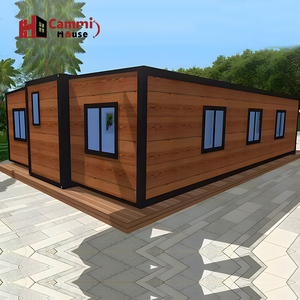
Cammi House Breathable Easy Folding Expandable Container House 20Ft/40Ft Light Steel Prefabricated Home
Get a Quote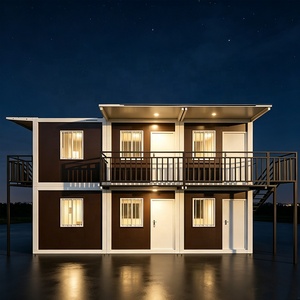
20FT 2-Story Thermal Flat Pack Container House Fast Installation & Reusable Disassembly With Optional Power System
Get a Quote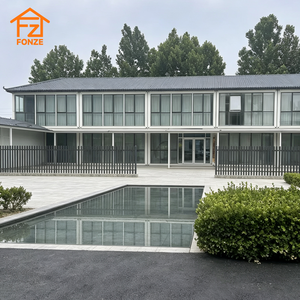
Prefab House Flat pack Container For Construction Site Camp Hospital, College Dormitory & Field Complex
Get a Quote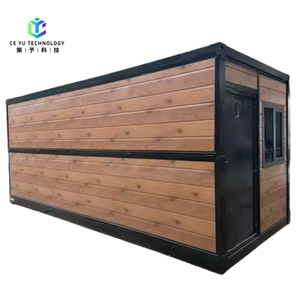
20ft Custom Foldable Modular Container Home With Modern Design For Dormitory Apartment Workshop Storage
Get a Quote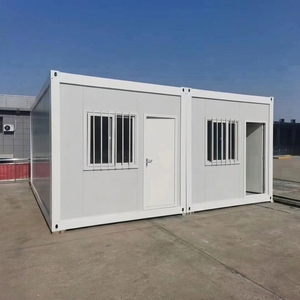
Insulated Flat Pack Container House Prefabricated Site Dormitory Portable Worker Accommodation for Camps
Get a Quote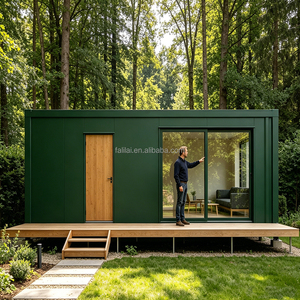
OEM Prefab Tiny Garage House Single Story 20ft Detachable Flat Pack Container Home Modern Design Living Office
Get a Quote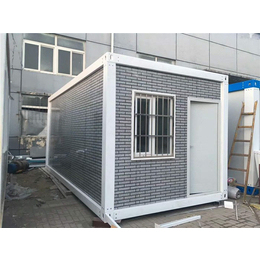
Flat Pack Modular Container House, Luxury Sound Insulated Energy Saving Quick Build, for Site Dorm Office
Get a Quote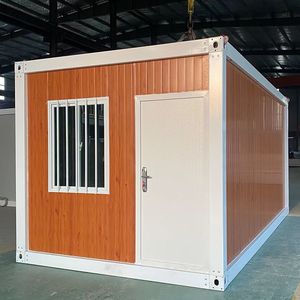
20ft Flat Pack Detachable Container House Quick Assemble Modular Cabin for Construction Site Worker Dormitory
Get a QuoteExecutive Summary: Modular Infrastructure in the UAE Energy Sector
The United Arab Emirates (UAE) oil and gas landscape is undergoing massive capital expansion, driven by Abu Dhabi National Oil Company (ADNOC) strategic targets to expand crude oil production capacity toward 5 million barrels per day while simultaneously advancing decarbonization and offshore artificial island engineering (such as the Hail and Ghasha mega-projects). Remote field infrastructure requires immediate, scalable, and resilient workforce housing that can withstand the Arabian Peninsula’s severe ambient conditions—where ambient temperatures frequently surpass 50°C and sandstorms (haboobs) deposit aggressive dust and salt-laden moisture on structural envelopes.
As EPC contractors, field engineers, and procurement directors navigate tight commissioning deadlines in Abu Dhabi's Western Region (Al Dhafra), Ruwais industrial zones, and offshore sectors, traditional civil construction fails to match the required speed, mobility, and cost-efficiency. This engineering whitepaper examines why prefabricated modular camps and flat-pack container systems imported from world-class manufacturing hubs have emerged as the gold standard for workforce housing, site offices, and operational support facilities across the UAE.
Engineering Specifications for Middle Eastern Climate Performance
Deploying modular infrastructure in extreme desert and coastal marine environments demands strict adherence to metallurgical and thermal engineering standards. Standard commercial container units rust rapidly when exposed to high-salinity Persian Gulf marine environments or fail thermally under intense solar radiation loads. Modern energy-grade modular facilities engineered for the UAE market utilize cold-formed, fully galvanized structural steel skeletons coupled with high-density polyurethane (PIR) or mineral rockwool sandwich panel systems.
| Engineering Parameter | Standard Commercial Moduka | Oil & Gas Industrial Grade (UAE Spec) | Operational Impact |
|---|---|---|---|
| Structural Steel Frame | 1.8mm - 2.5mm Mild Steel | 3.0mm - 4.0mm Hot-Dip Galvanized (Z275) | Prevents structural oxidation; withstands C5-M marine exposure. |
| Wall Panel Core Material | 50mm EPS (Expanded Polystyrene) | 80mm - 100mm High-Density PIR / Rockwool | Provides EI60/EI120 fire resistance & extreme thermal barrier. |
| Thermal Transmittance (U-Value) | 0.45 - 0.60 W/m²K | ≤ 0.20 - 0.24 W/m²K | Reduces HVAC electrical load requirements by up to 42%. |
| Wind Load Resistance | 90 km/h Design Capacity | Up to 150 - 180 km/h (Category 1 Hurricane) | Resists severe haboob sandstorms in open desert terrain. |
| Roof Waterproofing System | Single-Seam Steel Cover | Integrated Dual-Slope Gutters + EPDM Membrane | Eliminates water pooling and leaks during torrential rain. |
Furthermore, modular oil and gas camps utilize advanced HVAC systems engineered to perform with high Energy Efficiency Ratios (EER) under T3 climate design specifications. Air handing units are fitted with multi-stage sand trap louvers and HEPA filtration to eliminate micro-particulate infiltration into living dormitories and sensitive SCADA control rooms located within remote site office modules.
Localized Application Scenarios Across the UAE Market
Turnkey Facilities Custom-Built for Key Oilfield Operations and Remote Sites
Onshore Drilling Rig Accommodations
Rapidly deployable modular worker camps designed for frequent relocation across Al Dhafra desert drilling blocks. Units feature heavy-duty skid mounts, stackable 2-story configurations, central mess halls, and insulated living dormitories built for rapid assembly and tear-down within 48 hours per move.
Offshore Island Construction Hubs
Bespoke modular complexes optimized for ocean transport to artificial islands (Hail & Ghasha, Upper Zakum). Engineered with C5-M anti-corrosion coatings, marine-grade stainless steel hardware, and strict explosion-proof electrical fittings conforming to hazardous zone Class 1 Div 2 standards.
Ruwais Refinery EPC Site Offices
High-density, sound-insulated modular office buildings configured with executive conference rooms, IT server rooms with raised floors, engineering workstations, and sanitary containers. Designed to provide quiet, climate-controlled environments adjacent to heavy industrial construction zones.
Market Trends: ESG Decarbonization & Modular Efficiency
As the UAE advances its national Net-Zero by 2050 strategic initiative, energy sector operators are under mounting pressure to reduce the carbon footprint of temporary site infrastructure. Traditional concrete construction generates significant carbon emissions through raw material extraction, high water consumption, and extensive equipment transportation. Flat-pack modular building technology directly aligns with green building standards like Estidama (Abu Dhabi Pearl Rating System) and LEED certifications.
Flat-pack containers offer up to 75% savings in transport volume compared to pre-assembled rigid cabins. A single standard sea container can carry up to 4 flat-pack 20ft units, drastically curbing maritime and overland freight carbon emissions into Jebel Ali and Mussafah ports. Furthermore, modern modular camps manufactured for UAE project developers feature roof structures pre-engineered to support solar photovoltaic (PV) panel arrays, greywater recycling system connections, and smart IoT environmental controls that automatically regulate cooling loads during non-occupancy hours.
Manufacturer Excellence: Why Global EPCs Trust Our Production Capabilities
Operating out of state-of-the-art automated production facilities, our global manufacturing network supplies fully certified, highly durable modular container units and prefabricated steel buildings to over 120 countries. We combine precision Turkish steel manufacturing heritage with international structural engineering standards to serve oil and gas operators, mining conglomerates, and infrastructure contractors across the Middle East.
Strict Quality Certifications
Every modular unit is manufactured under ISO 9001:2015 Quality Management Systems and holds EN 1090 CE marking for structural steel frame fabrication, ensuring complete safety compliance for high-risk industrial project sites.
Rapid Factory Production
With high-speed automated roll-forming and CNC panel cutting lines, our facilities achieve a manufacturing capacity exceeding 1,000 modular container units per month, guaranteeing uninterrupted supply for large-scale camp developments.
Turnkey Technical Logistics
From custom CAD design layout generation to sea freight consolidation, customs documentation support for UAE ports, and on-site assembly supervision, we provide end-to-end operational peace of mind.
Frequently Asked Questions (UAE Procurement & Engineering)
Expert Answers to Technical and Commercial Questions for UAE Camp Procurement
How do modular containers comply with UAE Civil Defense (DCD/ADCD) fire safety rules?
Modular units designed for the UAE market utilize non-combustible sandwich wall panels with high-density rockwool or PIR cores certified to EN 13501-1 Class B-s1,d0 or A2-s1,d0. Wall and ceiling panels provide EI60 to EI120 fire endurance ratings, preventing flame spread and smoke generation in workforce dormitories.
What is the typical shipping lead time to UAE ports like Jebel Ali or Khalifa Port?
Standard manufacturing order turnaround is typically 2 to 3 weeks depending on volume. Ocean transit times to major UAE ports (Jebel Ali, Abu Dhabi Khalifa Port) range from 10 to 18 days depending on direct shipping lines, ensuring fast site arrival compared to traditional construction.
How long does it take to assemble a standard 20ft flat-pack unit on site?
A trained installation crew of 4 workers can fully erect a standard 20ft flat-pack modular container in just 2 to 3 hours using basic lifting tools. Entire 500-man camp complexes can be commissioned on prepared concrete pads within a few weeks.
Can these modular buildings withstand sandstorms and high desert ambient temperatures?
Yes. Structural frameworks are calculated to resist extreme thermal expansion and wind pressures up to 150 km/h. Perimeter seals feature dual EPDM rubber gaskets that prevent fine sand infiltration during haboobs, while high thermal mass insulation maintains low interior temperatures.
What custom internal layouts can be produced for oil & gas camps?
Units are fully customizable to create multi-bedroom worker dormitories, VIP executive quarters, commercial kitchens, dining halls, recreation centers, laundries, prayer rooms, first-aid clinics, and secure IT/SCADA control cabins.
Are modular container structures demountable and reusable for future projects?
Absolutely. Unlike permanent brick-and-mortar buildings, flat-pack modular containers are designed for 10+ cycle assembly and disassembly without loss of structural integrity, enabling contractors to move facilities from finished project sites to new oilfield concessions.