High-Performance Portable Worksite Drying Rooms & Modular Cabins
Pre-engineered modular container units designed for heavy industrial site gear drying, worker accommodation, and remote camp infrastructure across Canadian mining, oil sands, and construction sites.
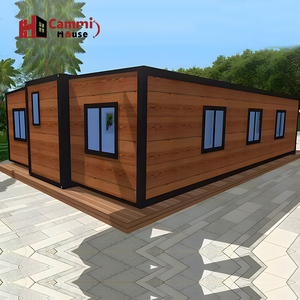
20ft/40ft Expandable Modular Gear Drying Room & Change House
- Heavy-duty forced-air boot & coat drying system
- High-density PIR insulation core (R-30 thermal value)
- Rapid deployment for remote Canadian camps
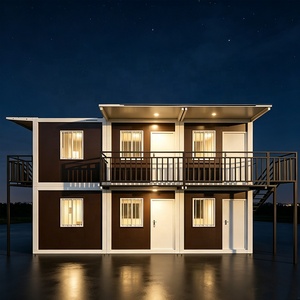
20FT 2-Story Thermal Flat Pack Site Drying Complex & Office
- Integrated electrical heat recovery & dehumidification
- Hot-dip galvanized Q355B steel frame (275g/m² zinc)
- Stackable 2-story layout for tight site footprints
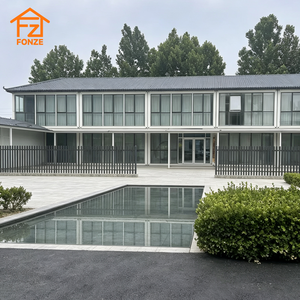
Modular Flat Pack Worksite Camp Locker & Drying Facility
- Commercial-grade moisture extraction (150L/24hr)
- Non-combustible Rockwool panel walls (A1 Fire Rated)
- Pre-wired for CSA C22.1 electrical standard connection
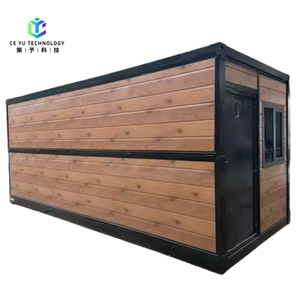
20ft Custom Foldable Modular Site Drying Locker Cabin
- 10-minute setup with forklift/craneless deployment
- Heavy-duty anti-slip aluminum checker plate flooring
- Custom benching and hanging rack configurations
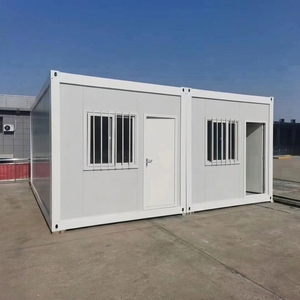
Insulated Heavy-Duty Mining Camp Drying Room Shelter
- Engineered for -40°C Northern Canadian winters
- Continuous thermal break wall and roof frame joinery
- Integrated ozone ventilation for odor containment
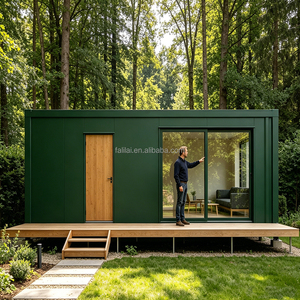
OEM Detachable Worksite Wet Gear Drying & Storage Cabin
- Fully demountable light gauge steel framing system
- Custom interior layout with HVAC heat recovery units
- Corrosion-resistant exterior fluorocarbon coating
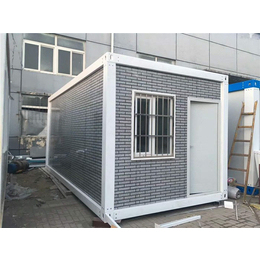
Energy-Saving Soundproof Modular Site Drying Container
- Low-energy heat pump drying technology
- Acoustic insulated walls for quiet camp operation
- ISO 9001:2015 & CE EN 1090 structural certification
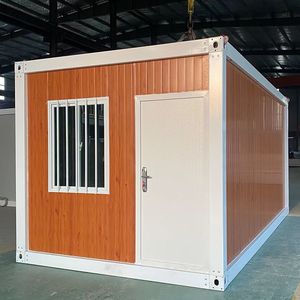
20ft Quick Assemble Construction Site Worker Drying Cabin
- 2 to 3 hour complete field assembly with standard tools
- Heavy-duty load capacity (3.5 kPa snow load rated)
- Factory-direct pricing optimized for Canadian freight
Engineering Benchmark: Portable Worksite Drying Rooms for Canadian Climate Conditions
Canadian industrial environments—ranging from the high-humidity, sub-zero oil sands of Fort McMurray, Alberta, to the freezing maritime winds of Northern Quebec and the Yukon mining corridors—present severe physical challenges for construction site equipment and worker welfare. Standard temporary site cabins and basic storage containers fail prematurely when subjected to Canadian winter thermal shifts. Managing wet Personal Protective Equipment (PPE), heavy insulated turnout gear, steel-toe boots, and high-visibility coveralls requires specialized thermodynamic moisture control solutions.
As a leading China-based OEM/ODM manufacturer specializing in modular industrial buildings, our engineering teams design and export factory-direct portable worksite drying rooms specifically tailored to Canadian building standards, provincial OHS guidelines, and extreme cold-climate physics.
Thermodynamic Drying Performance & Sub-Zero Insulation Architecture
When operating in ambient temperatures falling to -40°C (-40°F), structural heat loss through thermal bridging can destroy interior climate stability. Our Canadian-edition modular drying rooms incorporate structural innovations that guarantee continuous gear drying and worker comfort:
- Continuous Polyisocyanurate (PIR) Insulation Cores: 100mm to 150mm thick high-density PIR sandwich panels offering an exceptional thermal resistance rating of R-30 to R-38, significantly outperforming standard EPS or basic mineral wool solutions.
- Thermal Break Galvanized Steel Framing: Light-gauge cold-formed Q355B galvanized steel profiles fitted with structural polyamide thermal breaks to eliminate cold bridging between exterior steel sheathing and interior walls.
- Integrated Moisture Extraction Matrix: Direct-to-boot supply manifolds featuring antimicrobial stainless steel nozzles, overhead coat drying rails, and high-static-pressure centrifugal blowers engineered to force dry, tempered air directly inside multi-layered winter workwear.
- Heavy-Duty Waterproof Floor Subsystems: Fully welded 3.0mm marine-grade aluminum checker plate flooring over a sealed 18mm fiber cement sub-board, featuring integrated floor drains and perimeter lip bunding to collect snowmelt and mud run-off effortlessly.
Technical Specification Benchmark: Chinese OEM Spec vs. Canadian Site Standards
Below is a comparative breakdown showing how our factory-engineered portable drying rooms meet and exceed standard Canadian project specifications:
| Performance Parameter | Standard Import Container | Our OEM Canadian Spec Drying Room | Canadian Site Advantage |
|---|---|---|---|
| Thermal Core Insulation | 50mm EPS (R-11) | 100mm-150mm PIR / Rockwool (R-30+) | 70% reduction in heating energy cost in -40°C winter conditions |
| Frame Galvanization | 120g/m² Zinc Coating | Heavy Hot-Dip 275g/m² Zinc Coating | Prevents rust from saltwater, de-icing salts, and wet gear moisture |
| Moisture Extraction Rate | Passive vent + 2kW Heater | Active Closed-Loop Dehumidifier (150-180L/Day) | Completely dries wet PPE/heavy turnout gear in under 4 hours |
| Electrical Compliance | Standard Domestic Wiring | Pre-wired for CSA C22.1 / SPE-1000 Certification | Immediate approval by Canadian provincial electrical safety inspectors |
| Snow Load Engineering | 1.2 kPa rating | Reinforced Roof Trusses (3.5 to 5.0 kPa) | Complies with National Building Code of Canada (NBCC) snow load zones |
| Transport Logistics | Built Unit (High Shipping Cost) | Flat-Pack Modular (4 Units per 40HQ) | 75% reduction in ocean ocean & inland rail freight costs to Canada |
Localized Application Scenarios in the Canadian Market
Pre-engineered modular drying solutions configured to overcome specific regional climate hurdles and industrial requirements across Canada.
Mining & Remote Resource Exploration
Locations: Yukon, Northwest Territories, Nunavut, Northern Ontario Ring of Fire.
Designed for extreme isolation and sub-zero survival. These modular units function as combined boot-drying locker rooms and change cabins for remote mining crews. Built with high snow-load roof structures and plug-and-play diesel/electric generator interfaces.
Oil Sands & Heavy Industrial Maintenance
Locations: Fort McMurray, Cold Lake, Peace River (Alberta).
Tailored to oil field turnaround shifts where hundreds of workers change out of chemical, oil-splattered, and frozen gear daily. High-airflow blast drying channels dry chemical-resistant coveralls without degrading fire-retardant (FR) fabric coatings.
Coastal Marine & Wet Infrastructure Construction
Locations: Vancouver Harbour, Prince Rupert (BC), Halifax (Nova Scotia).
Focuses on high-humidity condensation management and marine-grade corrosion resistance. Utilizing 275g/m² hot-dip galvanized steel frames and fluorocarbon (PVDF) painted wall panels to resist salt-fog erosion while removing heavy atmospheric dampness from rain gear.
Canadian Market Trends & Regulatory Compliance Guidelines
1. National Building Code of Canada (NBCC) & Structural Engineering
Modular temporary structures imported into Canada must comply with regional environmental loads specified under the National Building Code of Canada (NBCC). Factory-built drying rooms designed for Canadian buyers incorporate high-yield strength structural steel sections designed to accommodate ground snow loads up to 5.0 kPa (104 psf) and wind gust pressures corresponding to 160 km/h winds typical in Northern and Atlantic Canadian coastlines.
2. Electrical Standards: CSA C22.1 & SPE-1000 Field Evaluation
Uncertified electrical systems imported into Canada risk immediate job site shutdowns by provincial authorities (such as ESA in Ontario or Technical Safety BC). Our manufacturing facilities work directly with certified testing bodies to pre-wire modular drying containers with CSA-approved copper wiring, NEMA 4X distribution panels, low-temperature resistant switches, and GFCI breaker protection. Units arrive ready for straightforward CSA SPE-1000 field evaluation or full CSA certification prior to ocean shipment.
3. ESG & Net-Zero Worksite Carbon Reduction
Canadian tier-1 general contractors (e.g., EllisDon, PCL, Graham Construction) are bound by strict corporate ESG mandates to reduce job site diesel and electrical consumption. Traditional drying sheds with uninsulated walls and open heating elements waste immense power. Our modular drying units incorporate Heat Recovery Ventilators (HRV) that recapture up to 85% of sensible heat from exhaust air, aligning directly with modern Canadian low-carbon site requirements.
Why Choose Us as Your China Manufacturing Partner
Delivering uncompromised engineering quality, ISO-certified fabrication, and global logistics efficiency directly from our state-of-the-art production base.
ISO 9001:2015 & CE EN 1090 Factory Certification
Our production facilities maintain strict ISO quality management protocols and European CE EN 1090 steel structure execution standards, guaranteeing consistent mill test specs, laser welding precision, and zero material defects.
Proprietary Flat-Pack Shipping System
Our innovative knock-down flat-pack design packages 4 complete 20ft modular drying units into a single 40ft High Cube (40HQ) ocean container, slashing ocean freight rates to Port of Vancouver or Port of Montreal by up to 75%.
2 to 3 Hour Rapid Site Assembly
Units arrive on-site completely modularized with pre-hung doors, double-glazed PVC tilt-and-turn windows, pre-fitted floor boards, and plug-and-play wiring. A standard crew of 3 workers can assemble a unit in 2 to 3 hours.
Frequently Asked Questions: Purchasing Drying Rooms for Canada
Direct technical answers addressing Canadian procurement, electrical compliance, freight logistics, and site installation.
Our Canadian-edition drying rooms are engineered specifically for extreme cold climates. By pairing 100mm-150mm high-density Polyisocyanurate (PIR) core insulation (R-30+ value) with structural polyamide thermal breaks in the steel frame, we eliminate thermal bridging. This ensures interior thermal stability, prevents condensation forming on internal steel components, and drastically lowers electrical heating demands even during sustained Northern Canadian freeze events.
We supply pre-wired electrical systems utilizing CSA-certified copper conductors, NEMA 4X breaker panels, GFCI outlets, and LED lighting fixtures. Electrical layouts comply strictly with the Canadian Electrical Code (CSA C22.1). For municipal and industrial sites requiring immediate certification, we coordinate third-party CSA SPE-1000 field evaluation inspections prior to factory dispatch or upon arrival at Canadian ports.
Our standard 20ft drying room unit features an integrated commercial-grade closed-loop dehumidification system capable of removing 150 to 180 Liters of moisture per 24 hours under continuous operational loads. High-static centrifugal blowers circulate warm air directly through custom boot trees and coat hangers, allowing a full shift of 15 to 25 workers to completely dry wet gear within 3 to 4 hours.
Units are shipped using our flat-pack knock-down design, where 4 modular units pack into a single 40ft High Cube (40HQ) container. We deliver DDP (Delivered Duty Paid) or CIF to major Canadian intermodal hubs including Port of Vancouver, Calgary, Edmonton, Winnipeg, Toronto, and Port of Montreal via CN or CPKC Rail. Final transport to remote site access roads is handled using standard flatbed truck trailers.
Yes, absolutely. The structural frame is fabricated from heavy-gauge hot-dip galvanized steel featuring integrated ISO corner casting blocks and top forklift pockets. A standard crane or 5-ton forklift can easily lift and move the fully assembled unit between job site sectors, or dismantle it back into flat-pack state for long-distance transport to new projects.
Portable drying rooms do not require costly continuous concrete slabs. They can be placed directly on level gravel pads, concrete blocks at the four corners, pre-cast concrete piers, or steel mud-sills. This minimal foundation requirement speeds up field setup times on temporary Canadian construction camps dramatically.
Request Your Canadian Spec Worksite Drying Room Quote
Speak directly with our engineering and export team. Get tailored architectural CAD drawings, structural snow/wind calculation sheets, and factory-direct pricing for your project in Canada.
Send an Inquiry