Explore our certified inventory of modular flat-pack, expandable, and custom-engineered light steel container buildings manufactured specifically for high-durability deployment across Kenya’s distinct climactic and seismic zones.
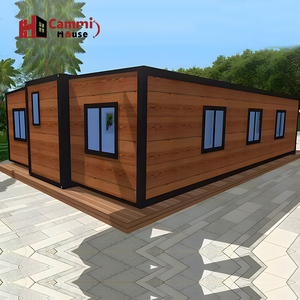
- ✔ Light Steel Frame + 3 Bedrooms
- ✔ Breathable Wall System
- ✔ Fast 15-Minute Unfolding
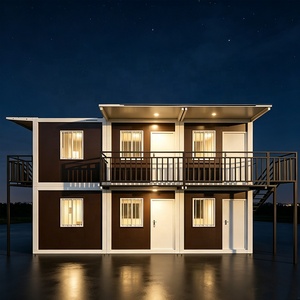
- ✔ Reusable Fast Disassembly
- ✔ Optional Integrated Solar Kit
- ✔ High Thermal PU Insulation
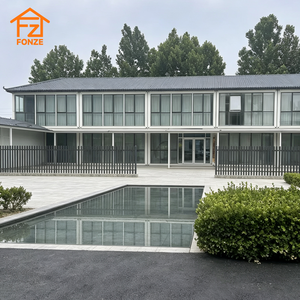
- ✔ Multi-unit Interlocking Grid
- ✔ Sanitary Washable Interior
- ✔ ISO 9001 Structural Grade
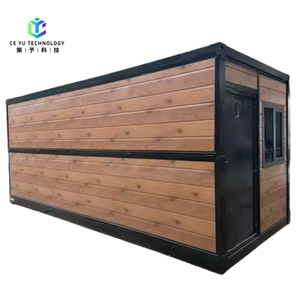
- ✔ Modern Aesthetic Coating
- ✔ Heavy Duty Galvanized Steel
- ✔ Space-Saving Shipping Design
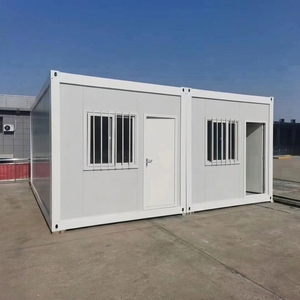
- ✔ Fireproof Rockwool Core
- ✔ Anti-Rust Coastal Coating
- ✔ Extreme Weather Resistant
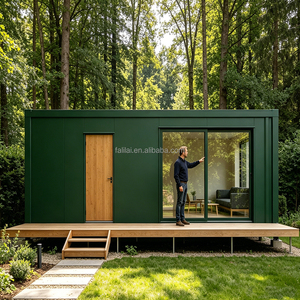
- ✔ Modular Expansion Ready
- ✔ Custom Floor Layouts
- ✔ Quick Bolt-together System
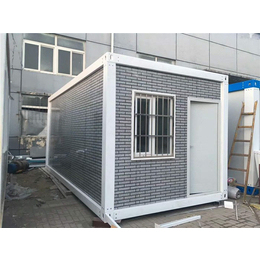
- ✔ Sound Reduction Wall Tech
- ✔ Low E-Glass Windows
- ✔ CE EN 1090 Standard Frame
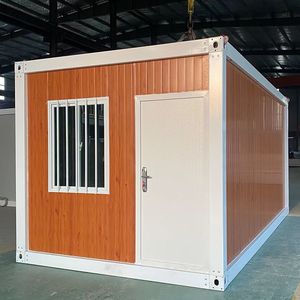
- ✔ Assembled in 2-3 Hours
- ✔ Stackable up to 3 Stories
- ✔ High Freight Optimization
The construction ecosystem in Kenya is currently undergoing a structural transformation. Driven by the Kenyan National Government’s Affordable Housing Program (AHP) under the Vision 2030 development framework, alongside massive infrastructure investments in energy, logistics corridors (LAPSSET), and commercial agriculture, traditional masonry construction is increasingly facing operational bottlenecks. High material inflation, extended building cycles, unpredictable weather interruptions during rainy seasons, and skilled labor shortages have accelerated the regional demand for prefabricated, demountable, and highly resilient modular steel buildings.
Within this context, OEM/ODM Expandable Container Houses and standardized flat-pack modular cabins have emerged as the primary strategic alternative. Offering an unmatchable combination of zero-waste off-site manufacturing, exceptional thermal performance, rapid field deployment, and low freight volume via flat-packing, these structural units address the precise pain points encountered by project managers, mining engineers, property developers, and humanitarian agencies across East Africa.
Kenya presents diverse micro-climates—ranging from the hot, humid coastal salt-air environments of Mombasa and Kilifi to the high-altitude, cold nights of Nakuru and Eldoret, as well as the arid, intense solar irradiance of Turkana and Garissa. Standard off-the-shelf container homes fail prematurely under such conditions without specific OEM customization. Our engineered expandable units are built upon four fundamental technical pillars tailored to Kenya’s environmental stress profiles:
To combat coastal salinity near Mombasa Port and Indian Ocean regions, our steel frames undergo hot-dip galvanization with a minimum zinc coating thickness of 180g/m² to 275g/m², topped with fluorocarbon electrostatic powder coating (2-layer epoxy primer + polyurethane finish coating) to resist atmospheric corrosion (ISO 12944 C4/C5 grade).
In regions like Lake Magadi or Lodwar where ambient temperatures exceed 40°C, internal ambient regulation is vital. Wall systems utilize high-density closed-cell Polyurethane (PU, 42 kg/m³) or structural Rockwool (120 kg/m³) sandwich panels with thermal conductivity as low as 0.022 W/m·K, drastically reducing energy loads for air conditioning.
The Great Rift Valley region (Naivasha, Nakuru, Baringo) is geologically active. Our expandable container units feature cold-formed high-strength Q355B galvanized steel articulated hinges. The structural skeleton is designed to absorb lateral displacement, achieving seismic safety ratings of Earthquake Intensity Degree 8 (PGA 0.3g).
Locations: Turkana Oil Fields, Olkaria Geothermal Development (Naivasha), Kwale Mineral Sands.
Operational Need: Turnkey, rapidly re-locatable remote living camps with self-contained sanitary, canteen, and executive office modules.
The OEM Solution: 20ft and 40ft expandable container houses equipped with pre-plumbed electrical wiring, PEX plumbing, integrated greywater treatment hookups, and heavy-duty dust-sealed aluminum windows. Modular stacking allows creation of 2-story administrative complexes assembled within 72 hours.
Locations: Nairobi Metropolitan Perimeter (Kitengela, Ruiru, Athi River, Syokimau), Kisumu, Eldoret.
Operational Need: Cost-efficient commercial shops, pop-up cafes, co-working offices, and eco-resort accommodation.
The ODM Solution: Custom architectural facades incorporating bamboo cladding, floor-to-ceiling double-glazed low-E glass curtains, and interior partitions customizable into 2-bedroom or 3-bedroom luxury layouts with full kitchenettes and modern en-suite bathrooms.
Locations: Naivasha Flower Farms, Kericho Tea Estates, Nyeri Coffee Cooperatives.
Operational Need: On-site operational centers, climate-controlled QA testing laboratories, and seasonal worker housing.
The OEM Solution: Thermally regulated flat-pack container clusters with hygienic antibacterial PVC flooring, dust-proof double-gasket doors, and roof-integrated solar panel mounting frames to run off-grid zero-emission office equipment.
Locations: Northern Frontier Districts, Garissa, Dadaab, Border Post Security Checkpoints.
Operational Need: Rapid response field hospitals, quarantine centers, and military guard accommodations.
The ODM Solution: Foldable container structures requiring no specialized heavy cranes for installation. Built-in fold-out floors and fold-out roof wings allow four workers to fully commission a 37 m² medical station in less than 45 minutes using standard hand tools.
To provide structural engineers and procurement heads with quantitative baseline decision tools, the matrix below highlights performance indicators comparing OEM/ODM Expandable Container Houses against traditional stone masonry and standard sea container modifications in Kenya.
| Performance Indicator | OEM/ODM Expandable Container | Traditional Masonry (Quarry Stone) | Modified Used Shipping Container |
|---|---|---|---|
| Assembly Speed (37m² Unit) | 0.5 to 2 Hours | 60 to 90 Days | 14 to 21 Days |
| Ocean Shipping Efficiency | High: 2-3 folded units per 40HQ container | N/A (Local sourcing, heavy transport) | Low: 1 unit per shipment (ships full volume) |
| Thermal Insulation (U-Value) | 0.32 W/m²K (PU Sandwich Panel) | 1.85 W/m²K (Poor unless insulated) | 2.60 W/m²K (Traps extreme heat) |
| Foundation Requirement | Minimal: Simple concrete piers / blocks | Extensive: Deep strip foundation & concrete slab | Moderate: Concrete corner pads |
| Relocatability & Reuse | 100% Demountable & Re-foldable (50+ cycles) | Zero (Permanent structure, high demolition cost) | Limited (Requires heavy 25T crane) |
| KEBS / ISO Structural Compliance | Factory certified ISO 9001, CE EN 1090 | On-site variable concrete mix quality | Non-standardized structural modifications |
As a specialized global manufacturer, our modern production facilities integrate automated roll-forming lines, laser steel-cutting systems, and robotic welding rigs. We cater to global turnkey contractors, international NGOs, and private commercial developers seeking strict adherence to international building standards.
Our in-house structural engineering team utilizes 3D BIM modeling and SAP2000 calculations to tailor layouts according to your exact floor plan specs. From window locations, interior wall partitioning, and electrical outlets to local voltage compliance (240V, 50Hz for Kenya BS 1363 plugs), every unit is engineered to drop right into site operations.
All manufacturing processes adhere strictly to ISO 9001:2015 Quality Management Systems certified by TÜV, alongside CE Marking under EN 1090 for structural steel. Pre-shipment trial assemblies are conducted on sample units to verify folding mechanism tolerance, waterproof membrane integrity, and hinge alignment.
Freight cost to Mombasa Port is a significant component of total landed cost. Our proprietary folded packaging system allows up to 2 units of 40ft Expandable Container Houses or 4 units of 20ft Expandable Units to fit into a single 40ft High Cube (HQ) sea container, yielding up to a 60% reduction in maritime freight expenses.
Importing industrial container units into Kenya requires navigating specific regulatory, customs, and transport channels. We offer full door-to-port and door-to-jobsite support for Kenyan buyers. Below is the essential compliance roadmap:
According to Kenya Bureau of Standards (KEBS) mandates, all imported manufactured goods must undergo Pre-Export Verification of Conformity (PVoC). We provide comprehensive factory inspection reports, material mill certificates, and co-ordinate with authorized inspection agents (SGS, Intertek, Bureau Veritas) to issue the required Certificate of Conformity (CoC) prior to vessel loading.
Cargo arrives at Kilindini Harbour (Mombasa Port). Importers require an Import Declaration Fee (IDF) logged via the KRA iCMS portal. Standard tariff classifications (HS Code 9406.90 for Prefabricated Buildings) apply. Our logistic partners work directly with licensed Kenyan customs clearing agents to ensure fast clearance within the standard 7-day free storage window.
For Nairobi, Naivasha, and central Kenya destinations, containers are loaded onto the Standard Gauge Railway (SGR) freight line directly to the Inland Container Depot (ICD) Embakasi in Nairobi or ICD Suswa in Naivasha. For off-grid remote mining sites, heavy-duty flatbed trucks deliver the units directly to the site coordinates.
Upon arrival, the container unit is offloaded using a standard 5-ton crane or heavy forklift. The side rooms are unfolded, leveling jack stands are adjusted, roof rubber gaskets are secured, and internal electrical and plumbing quick-connectors are joined. The building is ready for full occupancy the very same day.
Partner With a World-Class OEM/ODM Container Manufacturer
Whether you are managing a large-scale mining project, commercial real estate development, or infrastructure camp in Kenya, our engineering team is ready to deliver tailored modular solutions at factory-direct pricing.
Inquire Now