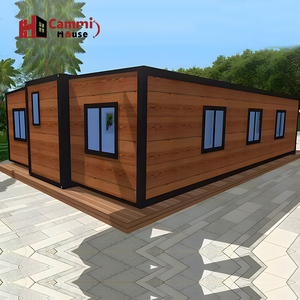
Cammi House Breathable Easy Folding Expandable Container House 20Ft/40Ft Light Steel Prefabricated Home
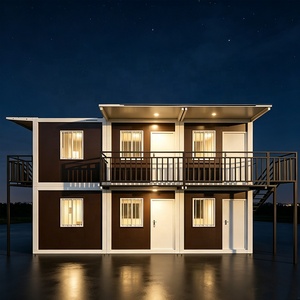
20FT 2-Story Thermal Flat Pack Container House Fast Installation & Reusable Disassembly With Optional Power System
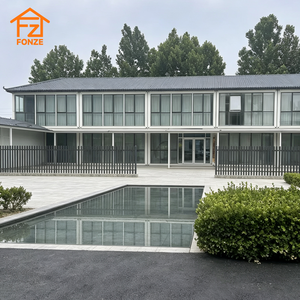
Prefab House Flat pack Container For Construction Site Camp Hospital, College Dormitory
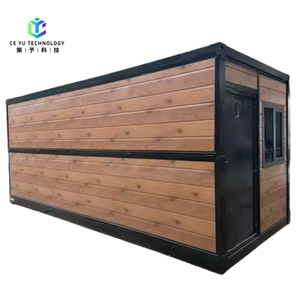
20ft Custom Foldable Modular Container Home With Modern Design For Dormitory Apartment Workshop Storage
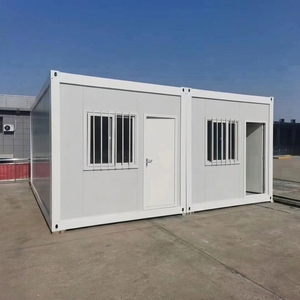
Insulated Flat Pack Container House Prefabricated Site Dormitory Portable Worker Accommodation for Mining Camp
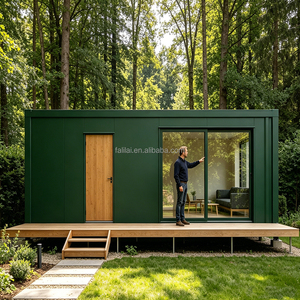
OEM Prefab Tiny Garage House Single Story 20ft Detachable Flat Pack Container Home Modern Design Office Building
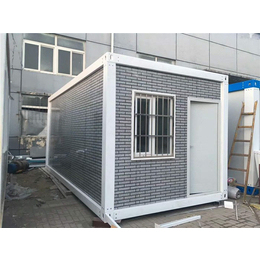
Flat Pack Modular Container House, Luxury Sound Insulated Energy Saving Quick Build, for Site Dorm Office Project
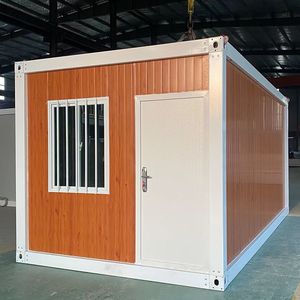
20ft Flat Pack Detachable Container House Quick Assemble Modular Cabin for Construction Site Worker Dormitory
Industrial Cold Chain Engineering for Extreme Climates
Mitigating Heat Flux and Maximizing Energy Efficiency in Subtropical and Arid Zones
In Pakistan, where summer ambient temperatures routinely surge past +48°C to +52°C across industrial hubs such as Sukkur, Multan, Faisalabad, and Sibbi, conventional masonry cold storage facilities face immense thermal degradation, structural cracking, and unmanageable energy consumption. As a specialized modular cold storage building manufacturer and exporter, our prefabricated cold chain infrastructure is engineered specifically to counteract severe thermal transfer through advanced material science and tight volumetric structural sealing.
Comparative Technical Analysis: Wall Core Insulation Media
| Insulation Core Type | Thermal Conductivity (λ) | Compressive Strength | Fire Safety Standard | Recommended Application Range |
|---|---|---|---|---|
| High-Density PIR (Polyisocyanurate) | 0.020 - 0.022 W/mK | ≥ 150 kPa | B-s1, d0 (EN 13501-1) | Deep Freeze (-25°C to -40°C), Controlled Atmosphere (CA) |
| PUR (Rigid Polyurethane Foam) | 0.022 - 0.024 W/mK | ≥ 120 kPa | B2 / B3 Class | Chilling Rooms (0°C to +10°C), Anterooms, Processing Hubs |
| High-Density Structural Rockwool | 0.038 - 0.040 W/mK | ≥ 100 kPa | A1 Non-Combustible | Fire-Rated Zones, Dry Cargo Buffers, Mixed Utility Camps |
Our prefabricated modular cold stores utilize hot-dip galvanized light steel frame structures compliant with EN 1090 structural steel execution standards. The exterior facade consists of 0.5mm to 0.7mm pre-painted galvanized steel (PPGI) sheets coated with PVDF or high-durability polyester (HDP) coatings, offering exceptional resistance to UV exposure, atmospheric humidity, and chemical corrosion in coastal regions such as Port Qasim and Karachi.
Localized Application Scenarios Across Pakistan
Tailored Prefabricated Infrastructure Supporting National Supply Chains and Export Logistics
Agro-Industrial Harvest Pre-Cooling
Punjab’s agricultural belt produces millions of tons of Kinnow citrus (Sargodha/Bhalwal), Mangoes (Multan/Khanewal), and Potatoes (Okara/Sahiwal). Our modular rapid blast-freezing and pre-cooling units are deployed directly at the farm-gate level to drop post-harvest temperature from +40°C to +4°C within hours, arresting metabolic deterioration and extending shelf life for export to GCC and European markets.
CPEC & Gateway Logistics Corridors
Along the China-Pakistan Economic Corridor (CPEC), temperature-controlled transit points are vital. Modular flat-pack cold rooms and site containers provide scalable storage modules at dry ports including Sost, Sust border terminals, Islamabad International Cargo Hub, and Gwadar Port, facilitating continuous cold chain compliance for transshipment cargo.
Pharmaceutical & DRAP Compliance
Pakistan’s pharmaceutical sector in Karachi, Lahore, and Rawalpindi requires rigorous temperature mapping (+2°C to +8°C) for vaccines, biological active pharmaceutical ingredients (APIs), and blood plasma. Our prefabricated cleanroom-grade modular cold facilities meet Drug Regulatory Authority of Pakistan (DRAP) and WHO Good Distribution Practice (GDP) requirements.
Market Trends & Energy Optimization in Pakistan
Adapting Modular Infrastructure to Grid Realities and Renewable Transition
The industrial market in Pakistan is undergoing a major structural shift toward decentralized, solar-integrated cold storage. Key macro-environmental forces shaping buyer requirements include:
1. Off-Grid Hybrid Solar-PV Integration
Frequent grid load-shedding and escalating electricity tariffs (NEPRA rate revisions) have made standard electricity consumption unsustainable. Our modular cold storage designs incorporate rooftop mounting structural brackets pre-engineered to hold high-efficiency photovoltaic (PV) solar arrays. Paired with Variable Refrigerant Flow (VRF) DC inverter condensing units, these hybrid systems cut grid dependency by 60-80% during daylight operating hours.
2. Modular Scalability vs. Capital Locking
Traditional civil construction locks up capital for 12 to 18 months and incurs land clearance permits. In contrast, flat-pack modular container units allow logistics operators and food processors in Lahore and Karachi to deploy a 100 MT capacity cold facility within 15 days, expanding capacity incrementally by adding adjacent modular blocks as commercial demand scales.
Enterprise Manufacturing Advantage & Global Standards
Why Global Engineering Companies and Pakistani Enterprise Buyers Partner With Us
As a global leader in prefabricated modular structures exporting to over 120 countries across 6 continents, our manufacturing methodology combines strict quality assurance with optimized logistics engineered for global delivery.
ISO 9001 & CE Certified Precision
Every light steel profile, structural truss, and sandwich panel is fabricated in our high-tech ISO 9001:2015 certified factory under EN 1090 steel construction standards, ensuring absolute structural integrity under seismic and heavy wind loading conditions.
Rapid On-Site Assembly (2-3 Hours)
A standard 15 m² flat pack modular unit equipped with insulated wall panels, prefabricated floor beams, and ceiling modules can be assembled on-site in just 2 to 3 hours using basic forklift equipment and small crew labor, drastically lowering project implementation overhead.
Optimized Export Logistics
Our specialized flat-pack packaging system packs up to 10 demountable container frames into a single standard 40ft High Cube sea container, minimizing ocean freight charges to Karachi Port (KPT) or Port Qasim.
Frequently Asked Questions | Procurement & Engineering in Pakistan
Technical Answers for Facility Managers, Import Directors, and Cold Chain Operators