Engineered Disaster Relief Modular Products
Factory-prefabricated, flat-pack containerized shelters designed for immediate field assembly under extreme climate and seismic conditions.
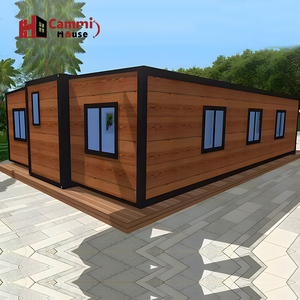
Cammi House Breathable Easy Folding Expandable Container House 20Ft/40Ft Light Steel Prefabricated Home
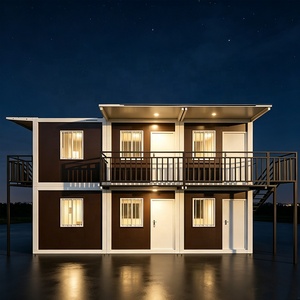
20FT 2-Story Thermal Flat Pack Container House Fast Installation & Reusable Disassembly With Power System
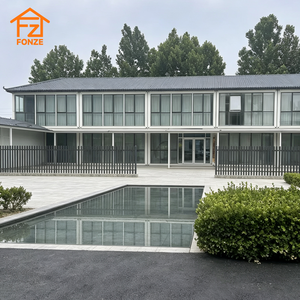
Prefab House Flat pack Container For Emergency Site Camp Hospital & Medical Triage Center
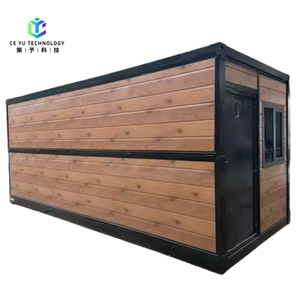
20ft Custom Foldable Modular Container Home With Modern Design For Dormitory & Relief Command
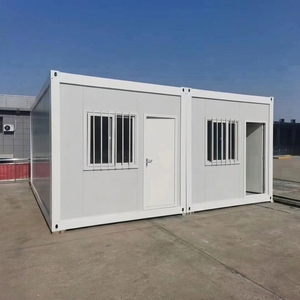
Insulated Flat Pack Container House Prefabricated Worker & Refugee Temporary Accommodation
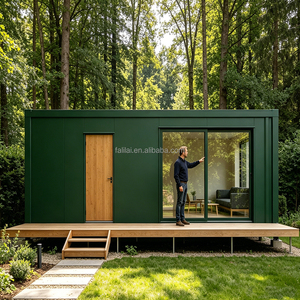
OEM Prefab Single Story 20ft Detachable Flat Pack Container Home For Storage & Command Kiosk
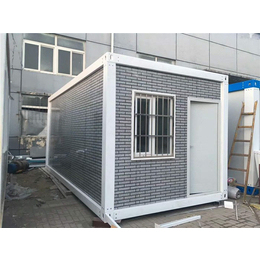
Flat Pack Modular Container House Sound Insulated Energy Saving Quick Build Modular Suite
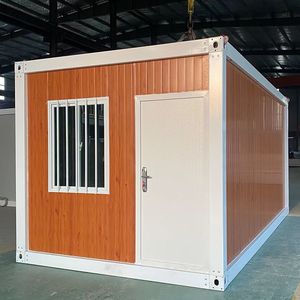
20ft Flat Pack Detachable Container House Quick Assemble Modular Cabin for Emergency Personnel
Seismic Resilience & Climatic Adaptability for Japan
Japan presents one of the most demanding physical environments for structural engineering globally. OEM emergency modular housing must comply strictly with stringent seismic codes, extreme typhoons, and dense snow loads.
Light Gauge Galvanized Steel
Built with structural grade S350GD+Z hot-dip galvanized steel framing. Resistant to salt-air corrosion along coastal prefectures like Okinawa and Kanagawa, maintaining structural integrity for over 30 years without degradation.
High-Efficiency Thermal Insulation
Equipped with high-density Polyurethane (PU, 40kg/m³) or Class A non-combustible Rockwool sandwich panels (60mm to 100mm thickness). Delivers low thermal conductivity (λ ≤ 0.022 W/m·K) suitable for severe sub-zero winters in Hokkaido.
Anti-Seismic Interlocking Joints
Utilizes patented corner fittings and flexible bolt connection geometry compliant with Japanese seismic zone standards. Absorb shear stresses caused by earthquakes up to Magnitude 7.5 on the Shindo scale.
| Structural Parameter | Standard Export Spec | Japan OEM Disaster Relief Spec | Compliance Standard |
|---|---|---|---|
| Steel Framework | Cold-formed steel Q235B (2.5mm) | High-Yield Galvanized Steel S350GD+Z (3.0mm - 4.0mm) | JIS G3141 / EN 1090-2 |
| Seismic Acceleration Resistance | PGA 0.2g (Level 7) | PGA 0.4g - 0.6g (Level 9 / Shindo 7 Upper) | Japan Building Standard Law Art. 37 |
| Wind Resistance | 110 km/h (30 m/s) | 216 km/h (60 m/s Category 4 Typhoon Rated) | JIS A 6517 Structural Wind Load |
| Fire Performance Class | B1 Flame Retardant | Class A Non-Combustible Rockwool Core | ISO 1182 / JIS A 1321 Non-flammability |
| Floor Load Capacity | 2.0 kN/m² | 3.5 kN/m² Heavy Emergency Load Reinforced | Japanese Heavy Equipment & Triage Spec |
Japanese Disaster Relief Application Scenarios
Tailored modular solutions supporting municipal prefectures, Self-Defense Forces, and humanitarian NGOs in critical post-disaster timelines.
1. Noto Peninsula Style Seismic Evacuation Villages
In mountainous regions prone to road blockages and landslides, our flat-pack 20ft units can be transported via light flatbed trucks or helicopter crane lifts. Rapidly deployed on uneven terrain with height-adjustable foundation legs, providing dignified interim housing with integrated HVAC and sanitary modules for displaced families.
2. Coastal Typhoon Emergency Command Posts
Designed for severe coastal weather across Kyushu and Honshu. Heavy-duty seals and double-glazed tempered PVC windows prevent water ingress during torrential downpours exceeding 100mm/hr, functioning as mission-critical communication centers for rescue teams.
3. Prefectural Field Hospitals & Negative-Pressure Clinics
Emergency medical modules engineered with washable antibacterial interior sandwich wall panels, anti-static PVC vinyl floor coverings, and pre-fitted electrical conduit channels for immediate medical instrument hookups and quarantine isolation wards.
4. Infrastructure Reconstruction Worker Camps
Large-scale modular dormitory complexes deployed for civil engineering crews rebuilding seawalls, roads, and bridges post-tsunami. Configurable into multi-story staff quarters, commercial cantine container facilities, and communal shower houses.
5. Temporary Primary & Secondary School Buildings
Custom OEM educational modules designed to restore municipal schooling within days. Feature high sound-insulation core walls (STC 42dB) preventing noise transmission between classrooms, allowing children to safely resume education.
6. Modular Logistics Storage & Supply Distribution Pods
Secure, fire-rated modular storage units deployed at logistics hubs to safeguard emergency food rations, medical supplies, water purification units, and backup diesel generators from environmental degradation.
Emerging Trends in Japan's Emergency Housing Procurement
Insights into how Japanese municipal procurement guidelines and ESG sustainability goals are transforming temporary shelter specifications.
Transition from Canvas Tents to Demountable Rigid Modules
Traditional emergency canvas tents fail to provide adequate thermal comfort, privacy, or security during prolonged recovery phases in Japan's harsh winters and humid summers. Prefectural procurement offices are rapidly replacing soft shelters with demountable, insulated modular containers. These units offer long-term structural integrity (up to 3 years of interim shelter continuous use) and can be dismantled, packed into compact flat packs, and stored in municipal emergency stockpiles for future events.
Zero-Carbon Lifecycle & Sustainable Recyclability
Aligned with Japan's 2050 Carbon Neutrality Directive, relief organizations prioritize modular structures built with 100% recyclable steel frames and zero-CFC insulation materials. The modular nature eliminates construction site waste, while non-destructive disassembly ensures zero landfill impact when transition housing is removed after permanent urban reconstruction is completed.
Global Manufacturing Powerhouse & OEM Capability
Decades of engineering mastery delivering certified prefabricated building solutions to tier-1 contractors, governments, and international relief agencies.
ISO 9001:2015 & CE Certified Quality
Our advanced Turkish manufacturing plants operate under strict ISO 9001:2015 Quality Management Systems. Structural steel fabrication complies with European EN 1090 standards, guaranteeing flawless weld integrity, dimensional accuracy, and structural safety.
Optimized Logistics Freight Footprint
Our engineered flat-pack packaging system allows up to 10 standard 20ft container units to be loaded into a single 40ft High Cube sea container. This slashes shipping costs by over 60% when exporting to major Japanese ports such as Tokyo, Yokohama, Kobe, and Hakata.
Direct Factory Price Advantage
By controlling the entire manufacturing chain—from steel roll-forming to panel lamination—we deliver high-spec disaster housing at competitive factory-direct prices (€180 to €420/m²), maximizing municipal emergency budget efficiency.
Frequently Asked Questions for Japanese Procurement
Clear, authoritative answers addressing technical standards, shipping timelines, and custom OEM manufacturing.
Request a Customized OEM Relief Housing Quote
Partner with Module-T for emergency preparedness, municipal relief contracts, and heavy-duty modular supply chains in Japan. Receive detailed engineering drawings, technical specifications, and factory-direct pricing within 24 hours.