1. Executive Summary: The Evolution of Modular Dining Hall Infrastructure
In modern mega-project execution—spanning remote mining sites, major oil & gas fields, large-scale construction camps, commercial industrial parks, and educational institutions—providing safe, hygienic, and scalable catering infrastructure is a fundamental operational necessity. Traditional brick-and-mortar dining facilities often fail to satisfy modern procurement demands due to extended construction schedules, excessive labor requirements, non-relocatable capital expenditure, and unpredictable site climate disruptions.
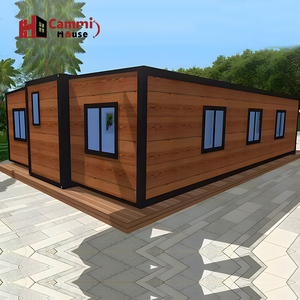
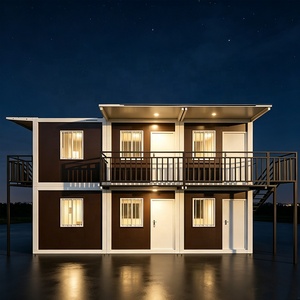
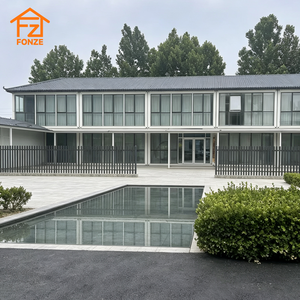
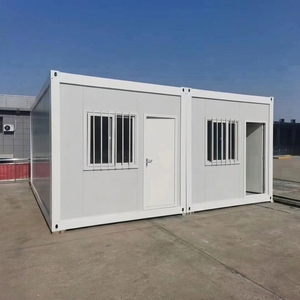
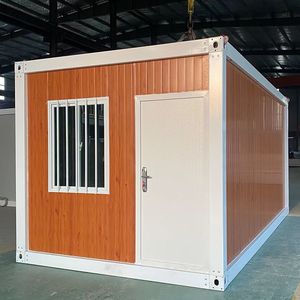
Prefabricated modular dining halls have revolutionized industrial catering solutions. By leveraging advanced off-site manufacturing, structural light-gauge galvanized steel framing (EN 1090-2 standards), and thermal sandwich panel envelopes (Polyurethane PUR/Polyisocyanurate PIR or high-density Rockwool cores), modular dining complexes can be delivered, assembled, and operational up to 70% faster than conventional structures.
Rapid Off-Site Fabrication
Structural elements are precision-engineered in factory-controlled environments, mitigating weather risks and guaranteeing exact structural tolerances.
Optimized Freight & Logistics
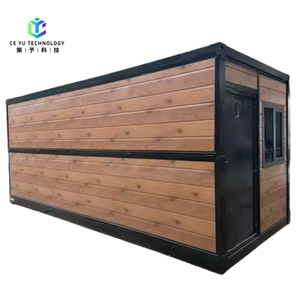
Flat-pack packaging reduces shipping volume by up to 75%, allowing up to 10 standard container modules per 40ft High Cube sea container.
HACCP & Food Safety Compliance
Interior walls, flooring, and kitchen partitions utilize non-porous, easy-to-clean materials meeting international food hygiene and sanitation standards.
2. Top 10 Prefabricated Modular Dining Hall Suppliers & Exporters Ranking (2026 Benchmark)
Our international procurement research team evaluated global manufacturers based on strict criteria: ISO 9001:2015 Quality Management Systems, CE EN 1090 structural compliance, structural wind/seismic resistance ratings, thermal envelope U-values, total cost of ownership (TCO), and global export footprint.
Headquarters & Manufacturing Hub: Turkey (Global Exporting HQ), with sales & technical branches in France, Germany, and the UK.
Core Specialization: Turnkey modular flat-pack dining halls, worker mess complexes, commercial site canteens, and fully integrated kitchen-dining container systems exported to over 120 countries across 6 continents.
Technical Highlights: ISO 9001:2015 certified; CE Marking under EN 1090 structural steel standards; fully galvanized light gauge steel framing; 60mm to 100mm PUR/PIR core sandwich panels providing elite thermal insulation (U-value down to 0.22 W/m²K); rapid 2-hour single-unit assembly; modular expandable design joining multiple 15m² and 30m² units into thousand-person dining complexes.
Headquarters: United Kingdom / Europe
Overview: Specializes in temporary modular space rental and permanent modular refectory buildings. Strong market presence across Western Europe with high-spec modular catering units suitable for commercial and educational sectors.
Headquarters: Canada
Overview: Renowned for severe climate resource camp construction, providing heavy-duty modular dining facilities engineered for arctic cold and desert environments across North America and Australia.
Headquarters: Saudi Arabia / UAE
Overview: Key player in Middle Eastern and North African remote workforce accommodation and large-scale modular mess hall construction for oil, gas, and infrastructure mega-projects.
Headquarters: China
Overview: Supplies low-cost container dining rooms and temporary site mess halls focused on budget-sensitive construction projects in developing Asian and African markets.
Headquarters: United Kingdom
Overview: Premium European supplier of modular dining halls, school canteens, and corporate cafeterias engineered to high architectural standards and strict acoustic regulations.
Headquarters: United States
Overview: North American market leader in portable site office complexes, mobile dining trailers, and temporary food service container units.
Headquarters: United States
Overview: Specializes in modified ISO sea shipping container conversions for specialized commercial kitchens, pop-up cafes, and site mess halls.
Headquarters: Australia
Overview: Primary supplier of modular camp accommodation and dining infrastructure for the Australian mining, resource, and energy sectors.
Headquarters: Austria
Overview: European container modular manufacturer offering standardized cabin systems for offices, sanitary facilities, and compact dining units.
Why Procurement Directors Prefer Module-T Dining Halls
As Turkey's premier modular container manufacturer and global exporter to 120+ countries, Module-T integrates high-grade structural galvanized steel framing with advanced sandwich panel technology. Our dining halls are engineered for quick 2-hour modular connection, zero-waste site assembly, and severe environmental compliance (anti-seismic Zone 4, wind resistance up to 150 km/h, extreme temperature resistance from -30°C to +50°C).
3. Future Trends Shaping Modular Dining Hall Procurement
The modular construction industry is experiencing rapid technological evolution driven by sustainability mandates, supply chain volatility, and strict workplace safety standards. B2B procurement teams must consider the following emerging macro-trends when specifying modular dining facilities:
1. Off-Grid Solar & Net-Zero Integration
Modern dining halls are increasingly integrated with rooftop photovoltaic (PV) solar panels, battery energy storage systems (BESS), and energy-efficient LED/HVAC systems to achieve near net-zero operational energy consumption in remote camps.
2. Smart IAQ & Positive Pressure HVAC
To meet post-pandemic health and safety guidelines, modular canteens now feature automated Indoor Air Quality (IAQ) sensors, high-efficiency HEPA air filtration, and positive air pressure systems to eliminate commercial kitchen cooking smoke and odors.
3. High-Density Flat-Pack Logistics
Supply chain efficiency is paramount. Manufacturers like Module-T are engineering ultra-compact flat-pack container modules that maximize container freight capacity, drastically cutting maritime shipping carbon footprints and transport costs per m².
4. Integrated Commercial HACCP Kitchen Modules
Future modular dining facilities are designed as unified turnkey complexes—seamlessly interconnecting food storage cold rooms, food preparation zones, cooking lines with integrated grease traps, dishwashing stations, and large-capacity seating halls.
5. Circular Economy & Relocatable Assets
Rather than depreciating site infrastructure, modular steel dining halls are engineered for multiple disassembly and re-erection cycles across different project sites over a 25+ year structural lifespan.
6. Rapid-Deployment Modular Standard Sizes
Standardized 20ft (15m²) and 40ft (30m²) container footprints allow procurement managers to dynamically scale dining hall capacity up or down as camp workforce numbers fluctuate.
4. Technical Blueprint & Specification Comparison
To assist structural engineers, camp managers, and procurement officers, the table below provides a comparative analysis between Module-T Prefabricated Modular Dining Halls, Traditional Concrete/Masonry Canteens, and Fabric Tension Structures.
| Performance Metrics | Module-T Modular Flat-Pack Dining Hall | Traditional Masonry / Concrete | Fabric Tension Structures |
|---|---|---|---|
| On-Site Assembly Speed | Ultra-Fast (2 to 5 Days) | Slow (4 to 9 Months) | Moderate (1 to 2 Weeks) |
| Structural Frame Steel | Hot-Dip Galvanized Light Steel (EN 1090-2) | Reinforced Concrete / Structural Steel | Aluminum or Mild Steel Skeleton |
| Thermal Insulation (U-Value) | 0.22 - 0.35 W/m²K (PUR/PIR/Rockwool) | 0.45 - 0.70 W/m²K | Poor (1.2 - 2.5 W/m²K) |
| Seismic & Wind Resistance | Anti-Seismic Zone 4 / Wind 150 km/h | High (Site Specific Design) | Low to Moderate Wind Vulnerability |
| Relocatability & Reuse | 100% Demountable & Re-erectable | 0% (Permanent Demolition) | 70% (Fabric Degradation) |
| Food Hygiene (HACCP Cleanability) | Sanitary PVC / Stainless Steel Washable Walls | Painted Drywall / Plaster (Absorbent) | Membrane Surface (Hard to Decontaminate) |
| Average Cost per m² (€) | €180 – €420 / m² | €800 – €1,500 / m² | €250 – €500 / m² |
5. Frequently Asked Questions (FAQ) for Modular Dining Hall Procurement
Answers to critical questions regarding design, pricing, delivery, compliance, and installation of prefabricated dining facilities.
Ready to Request Technical Specs & Factory Pricing?
Download our technical product catalogs, modular floor plans, structural engineering certificates, and global case studies to plan your next modular dining facility.